
Community
Patty Garcia projected as winner of Illinois' 4th Congressional District
By Keisha Patel
Advertisement · Why this ad?
Mark Thompson has spent over a decade highlighting community stories across Chicago. He graduated from Northwestern University and has contributed to various local outlets, including Chicago Reader, focusing on grassroots initiatives and neighborhood developments.
More from Mark →
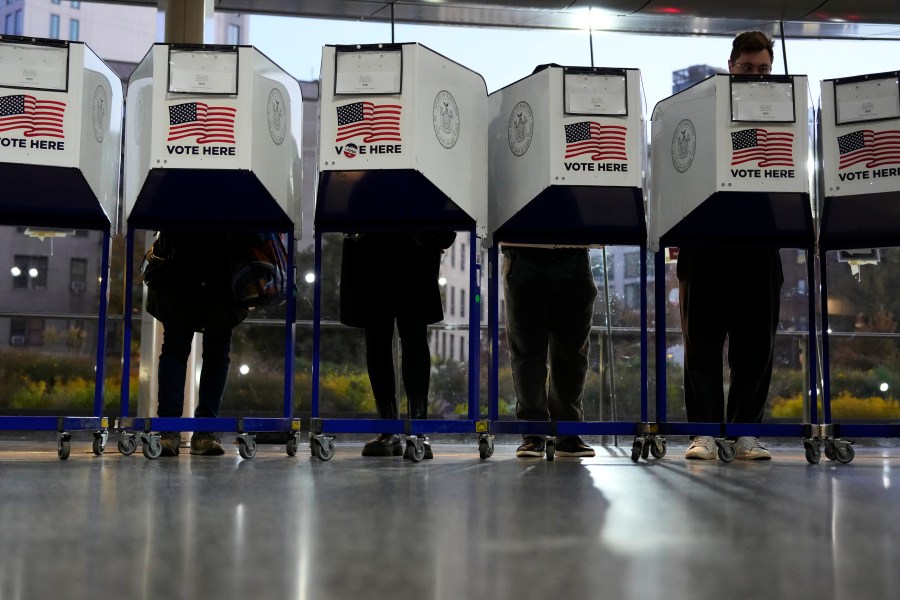
As the sun dipped below the horizon on a crisp November evening, the streets of Chicago buzzed with anticipation. Residents gathered outside polling places, exchanging stories of their hopes and concerns for the future. Among them was Maria Gonzalez, a lifelong Chicagoan, who had brought her children along to witness democracy in action. "I want them to understand the importance of voting and how their voices matter," she said, her eyes gleaming with pride. This scene was mirrored in neighborhoods across the city, as citizens prepared to make their voices heard in the 2026 midterm elections.
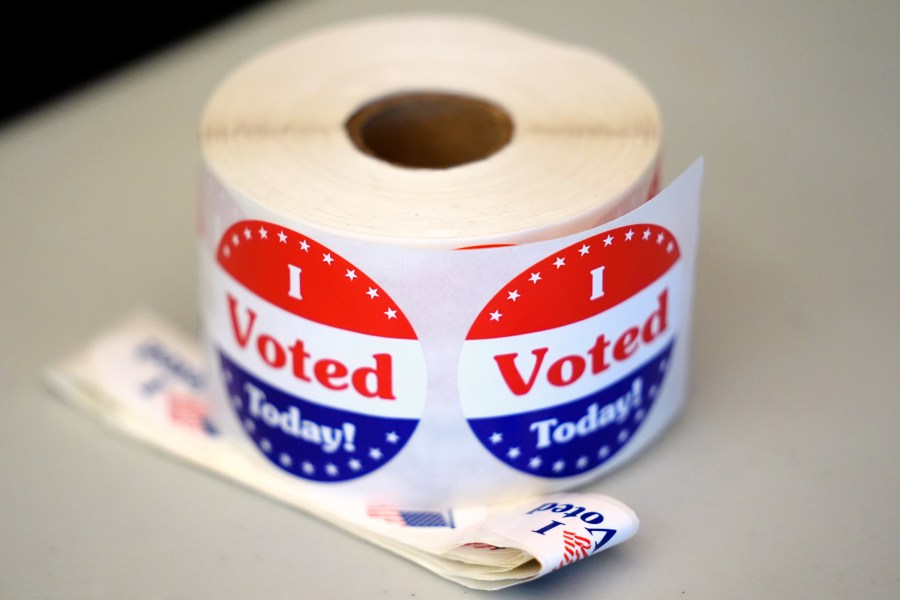
On Tuesday, November 3, voters in Chicago and across the nation headed to the polls for the 2026 midterm elections. This election cycle was particularly significant, as it would determine which party would gain or retain control of the U.S. Senate and House of Representatives. In Illinois, the stakes were high, with several key races that could impact the direction of state and national policies.
Voter turnout was robust, reflecting a growing engagement among citizens eager to influence the future of their communities. The Illinois State Board of Elections reported that early voting numbers were up compared to previous midterms, with many residents taking advantage of the opportunity to cast their ballots ahead of Election Day. This enthusiasm was evident in the long lines at polling locations, where voters of all ages and backgrounds came together to exercise their civic duty.
As the results began to roll in late Tuesday night, it became clear that the elections would shape the political landscape not just in Illinois, but across the nation. Key races included the contest for a U.S. Senate seat and several pivotal House races that could tip the balance of power in Washington.
In the race for the U.S. Senate, incumbent Democrat Tammy Duckworth faced a formidable challenge from Republican candidate Jim Oberweis. Duckworth, known for her advocacy on veterans' issues and healthcare, campaigned on a platform focused on expanding access to affordable healthcare and protecting the rights of working families. Oberweis, a state senator and successful businessman, emphasized economic growth and reducing taxes.
The results were closely watched, as Duckworth's victory would solidify the Democratic majority in the Senate while Oberweis aimed to flip the seat for the Republicans. As the night progressed, it became evident that Duckworth had retained her seat, garnering approximately 55% of the vote, a testament to her strong connection with voters in Illinois.
Meanwhile, in the House races, several districts were hotly contested, including the 7th and 14th Congressional Districts. In the 7th District, incumbent Democrat Danny Davis faced Republican challenger Darlene Senger. Davis, a long-time advocate for social justice and community development, emphasized his commitment to addressing systemic inequalities. Senger, on the other hand, focused on fiscal responsibility and public safety.
The engagement of the Chicago community during this election cycle was remarkable. Local organizations and grassroots movements worked tirelessly to mobilize voters, ensuring that everyone had access to the polls. Groups like the Chicago Votes initiative played a crucial role in educating residents about the voting process and encouraging participation.
Maria Gonzalez, who had brought her children to vote, reflected on the importance of community involvement: "When we come together as a community, we can make a difference. It’s not just about one election; it’s about shaping the future for our children and their children." This sentiment was echoed by many voters, who recognized that their participation was vital for the health of their democracy.
In addition to traditional campaigning, social media played a significant role in this election. Candidates and advocacy groups utilized platforms like Facebook and Twitter to reach younger voters, emphasizing issues that resonated with them, such as climate change, education reform, and social justice.
The voices of voters echoed through polling places, each carrying their unique stories and aspirations. For many, this election represented more than just political preferences; it was a chance to advocate for their communities. One voter, John Smith, expressed his concerns about education funding: "I want to ensure that our schools have the resources they need to provide quality education for all children. This election is about our future."
Others, like local business owner Sarah Lee, emphasized the importance of economic recovery in the wake of the pandemic. "We need leaders who understand the challenges small businesses face and will work to support us," she stated, highlighting the need for policies that foster economic growth and job creation.
As the results were announced, the emotions in the room ranged from jubilation to disappointment. For many, the outcome was a reflection of their hopes for a better future, while others felt the weight of continuing challenges ahead.
With the dust settling from the midterm elections, the focus now shifts to the future. The newly elected officials will face pressing issues, including healthcare, education, and economic recovery, as they take office in the coming months. The importance of collaboration and bipartisan efforts will be crucial as they navigate these challenges.
Community leaders and residents alike are hopeful that the newly elected representatives will prioritize the needs of their constituents and work towards policies that promote unity and progress. As Maria Gonzalez put it, "We need leaders who will listen to us and work for the people. Our voices matter, and we will continue to hold them accountable." This accountability is especially significant in a city like Chicago, where issues such as crime, housing affordability, and public transportation are at the forefront of residents' concerns.
Local organizations, including the Chicago Urban League and the Illinois Coalition for Immigrant and Refugee Rights, are already mobilizing to ensure that the voices of marginalized communities are heard in the new legislative session. Their efforts will be crucial in advocating for policies that address the unique challenges faced by these groups.
The 2026 midterm elections have underscored the resilience of the Chicago community and its commitment to civic engagement. As residents reflect on the outcomes, they are reminded that democracy is not just about casting a ballot; it is about staying informed, advocating for change, and working together to build a brighter future for all. With many young voters participating for the first time, there is a growing recognition of the need to engage the next generation in the political process.
Efforts to educate and inspire young voters are already underway, with initiatives aimed at high school students and college campuses. Organizations like Chicago Votes are expanding their outreach programs to ensure that young people understand the impact of their vote and feel empowered to participate in future elections.
As the community looks forward, the lessons learned from the 2026 midterms will play a pivotal role in shaping the political landscape of Chicago and beyond. Residents are eager to hold their elected officials accountable, ensuring that the issues that matter most to them are addressed in the coming years.
By Keisha Patel
By Mark Thompson
By Mark Thompson

By Mark Thompson